Duane "Keffe D" Davis Found Guilty in Tupac Shakur Murder Case Nearly 30 Years Later
Nearly three decades after Tupac Shakur was fatally shot in Las Vegas, the long-running murder case has finally produced its first criminal conviction.
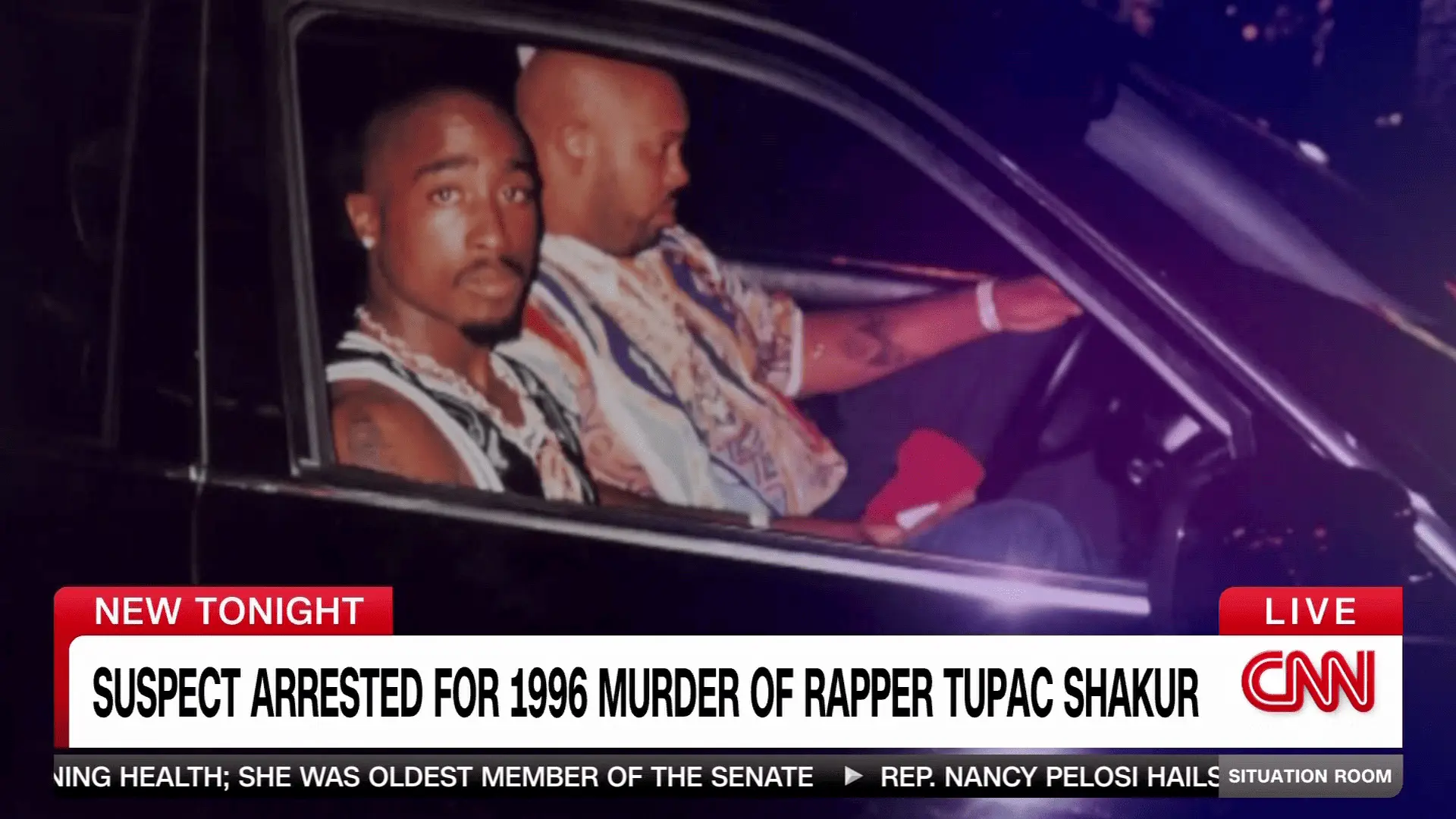
Nearly three decades after Tupac Shakur was fatally shot in Las Vegas, the long-running murder case has finally produced its first criminal conviction. On August 31, 2026, a Las Vegas jury found Duane "Keffe D" Davis guilty of first-degree murder in connection with Shakur's 1996 killing. The jury reached its verdict in less than three hours, bringing a major development to one of the most closely watched unsolved cases in music history.
Davis, 63, was convicted of murder with the use of a deadly weapon. He could face a life sentence, with sentencing scheduled for October 13, and he has indicated that he intends to appeal the conviction.
The night Tupac Shakur was shot
The events began on September 7, 1996, after a Mike Tyson boxing match at the MGM Grand in Las Vegas. Shakur was travelling in a BMW driven by Death Row Records co-founder Marion "Suge" Knight when a confrontation broke out at the casino. Shakur and members of his entourage attacked Orlando "Baby Lane" Anderson, who was Davis's nephew and associated with the South Side Compton Crips.
Later that night, Shakur and Knight were stopped at a red light near the Las Vegas Strip. A white Cadillac pulled alongside their vehicle and gunfire erupted. Shakur was struck multiple times, and Knight was also wounded but survived. Shakur was taken to hospital, where he died six days later on September 13, 1996, at the age of 25. For years, no one was charged.
Who is Duane "Keffe D" Davis?
Davis was a former leader and influential figure within the South Side Compton Crips. Unlike the person prosecutors believe fired the fatal shots, Davis was not accused of being the gunman. Instead, prosecutors argued that he helped organise the attack, obtained the firearm, and coordinated the group that went looking for Shakur and Knight after the MGM Grand confrontation.
Under Nevada law, a person can be held criminally responsible for murder even if they did not personally pull the trigger, when their involvement makes them legally responsible for the killing. That distinction became central to the trial.
The prosecution's case
Perhaps the most unusual aspect of the prosecution's case was how heavily it relied on Davis's own words. Over the years, Davis had repeatedly spoken publicly about the shooting, discussing the events in interviews, documentaries, and his 2019 memoir, Compton Street Legend. Prosecutors also presented recordings of conversations with investigators.
Although some details in Davis's accounts changed over time, prosecutors argued that one crucial element remained consistent, Davis repeatedly placed himself inside the white Cadillac involved in the shooting. Prosecutors portrayed Davis as the person who organised the retaliation after the assault on Anderson, and Chief Deputy District Attorney Binu Palal argued that Davis obtained a gun, assembled the group, and went searching for Shakur and Knight. The prosecution maintained that the shooting was not a spontaneous confrontation but the result of a deliberate plan, and ultimately called 24 witnesses during the trial, while the defence called three.
The defence challenged Davis's own story
Davis's defence did not dispute that he had spoken about the killing over the years. Instead, his lawyers questioned whether those statements were reliable enough to establish his guilt beyond a reasonable doubt. Defence attorney Michael Sanft pointed to the lack of direct physical evidence placing Davis at the Las Vegas shooting scene, including the absence of surveillance footage or phone records connecting him to the location that night.
The defence also argued that Davis had reasons to exaggerate his involvement, particularly because he had discussed the killing publicly and profited from his notoriety. But prosecutors countered that although Davis's accounts evolved, their central elements remained remarkably consistent.
Why it took almost 30 years
The investigation remained stalled for decades. Shakur's death became intertwined with the larger East Coast to West Coast hip-hop rivalry of the 1990s, generating countless theories about who was responsible and why, yet investigators were unable to bring a murder charge for years.
Davis eventually became increasingly public about his version of events, and those statements ultimately became a major part of the evidence used against him. He was arrested and charged in 2023, becoming the only person ever formally charged in connection with Shakur's murder. The other men prosecutors identified as being inside the Cadillac are now dead, leaving Davis as the only surviving person prosecutors say was in the vehicle.
A historic verdict for hip-hop
The conviction represents the first criminal resolution in Tupac Shakur's murder case. For nearly 30 years, the unanswered question surrounding Shakur's death became part of his mythology, discussed in music, documentaries, books, and countless theories, while his influence continued to grow long after his death.
Shakur remains one of the most influential artists in hip-hop history. His music addressed poverty, racism, inequality, violence, identity, and the realities of life in America, helping transform him from a successful rapper into a cultural figure whose work continues to influence new generations. His death at 25 made his legacy even more enduring.
What happens now?
Davis remains in custody without bail while awaiting sentencing. He could receive a life sentence, and he has already indicated that he plans to appeal the verdict. The conviction does not answer every question surrounding the killing, prosecutors did not argue that Davis personally fired the fatal shots, and the precise identity of the gunman remains part of the historical record surrounding the case.
But legally, the verdict marks a significant turning point. After nearly three decades of investigation, speculation, and uncertainty, a jury has now determined that Duane "Keffe D" Davis was criminally responsible for Tupac Shakur's murder. For one of hip-hop's most enduring mysteries, the story that began with a shooting on a Las Vegas street in 1996 has finally reached its first courtroom conclusion.
Questions
Who was found guilty of Tupac Shakur's murder?
Duane "Keffe D" Davis, 63, a former leader within the South Side Compton Crips, was found guilty of first-degree murder on August 31, 2026, nearly 30 years after Shakur's 1996 killing.
Was Duane Davis the person who shot Tupac Shakur?
No. Prosecutors did not argue that Davis personally fired the fatal shots. Instead, they argued he helped organise the attack, obtained the firearm, and coordinated the group that went looking for Shakur and Knight, which under Nevada law can carry criminal responsibility for murder.
What evidence was used to convict Duane Davis?
The case relied heavily on Davis's own public statements over the years, including interviews, documentaries, and his 2019 memoir, Compton Street Legend, in which he repeatedly placed himself inside the car involved in the shooting.
Why did it take almost 30 years to charge someone in Tupac Shakur's murder?
The investigation remained stalled for decades, in part due to the case's ties to the wider 1990s hip-hop rivalry and a lack of direct evidence. Davis became increasingly public about his version of events over time, and those statements eventually became central to the case against him. He was arrested and charged in 2023.
What sentence does Duane Davis face?
Davis was convicted of murder with the use of a deadly weapon and could face a life sentence. Sentencing is scheduled for October 13, and he has indicated he plans to appeal the conviction.
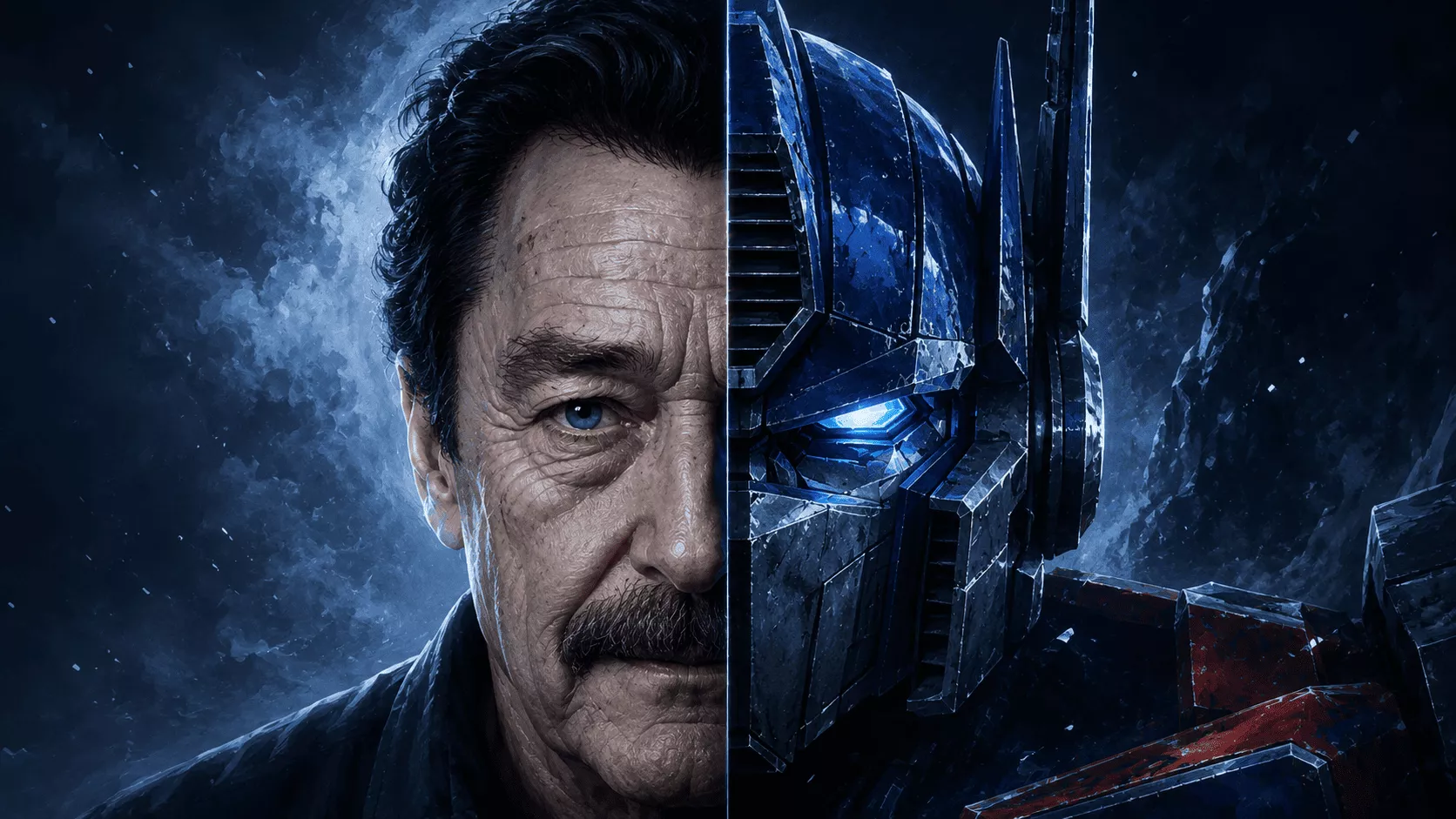
Peter Cullen, the Voice of Optimus Prime and K.A.R.R., Dies at 85
Peter Cullen, the Canadian voice actor whose unmistakable baritone became synonymous with Optimus Prime, has died at the age of 85.
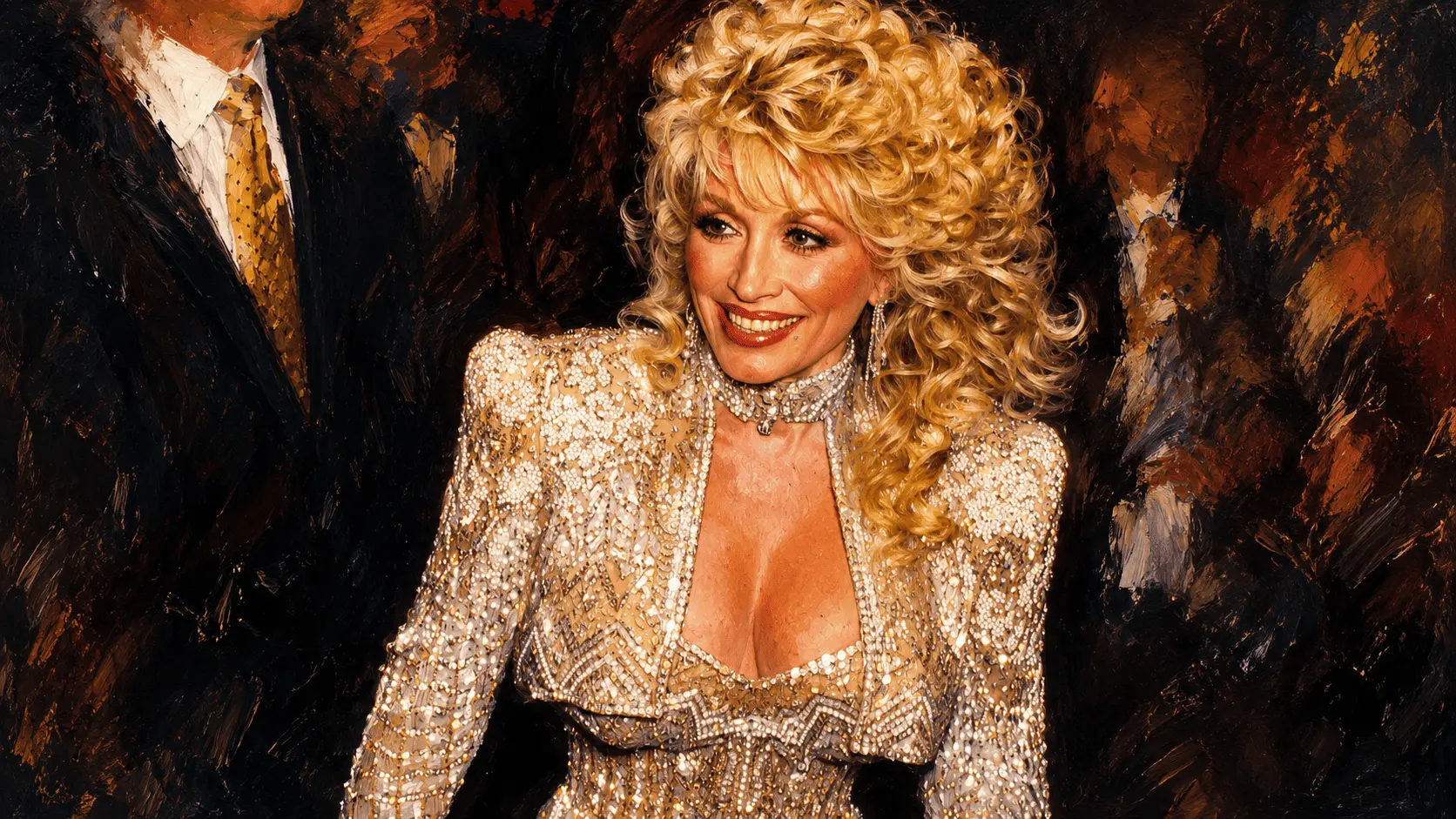
Dolly Parton: The Woman Behind the Legend, and Why Her Story Still Inspires
Dolly Parton is remembered for the hair, the sparkle and the voice. But beneath the image was a woman who turned a hard beginning into creativity, independence and opportunity for others.
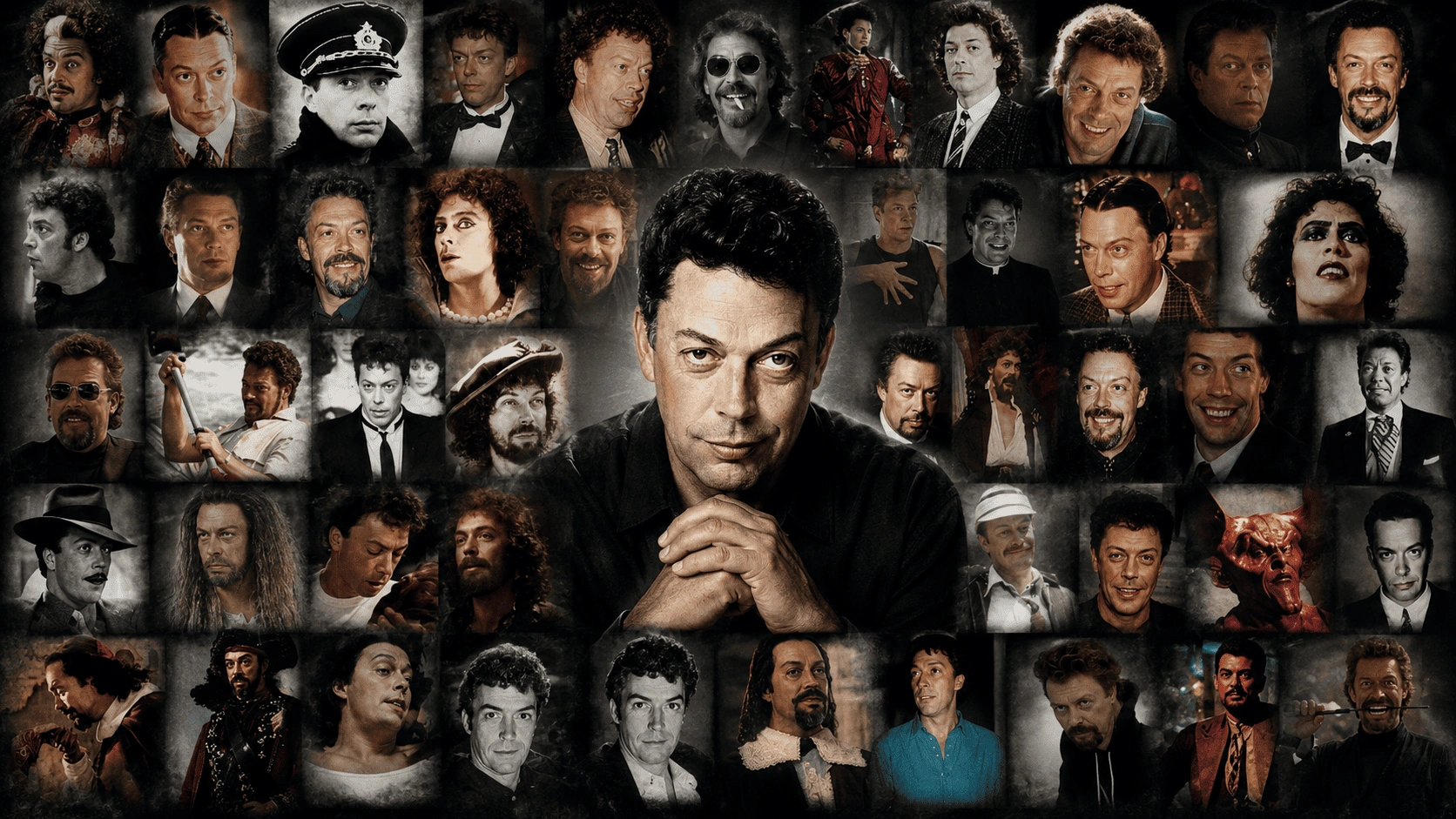
Tim Curry: A Career That Could Never Be Defined by One Role
Tim Curry, the English actor, singer and stage performer whose extraordinary career stretched across musical theatre, film, television and voice acting, has died at 80.