UAE Launches Nationwide Vibe Coding Initiative. Microsoft Is Helping Residents Build Apps Without Coding.
The UAE AI Office and Microsoft have launched UAE Vibe Codes, a free 10-minute course on building apps with AI that drew 5,000 participants in its first hour.
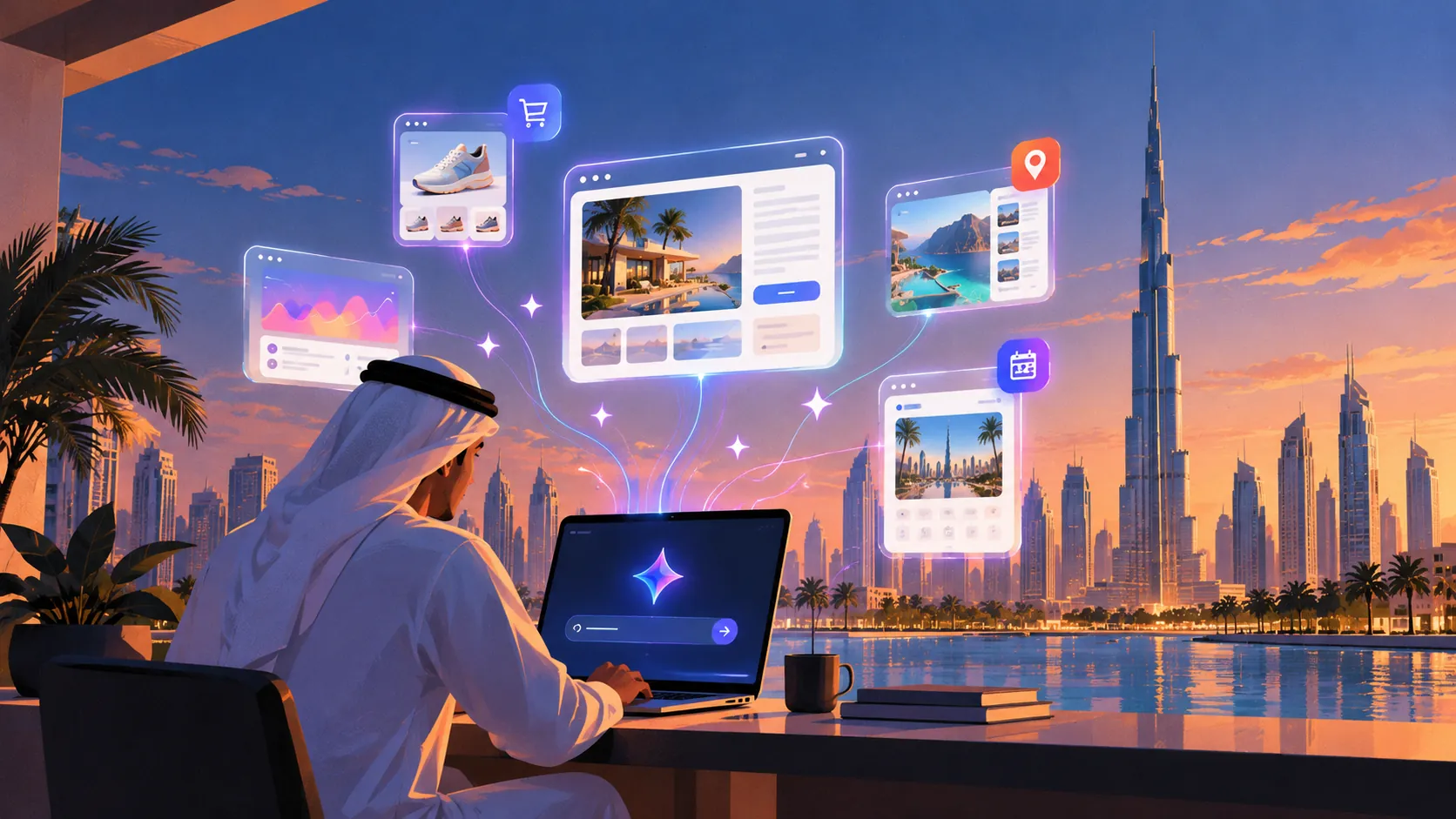
The UAE has launched a nationwide artificial intelligence initiative that lets residents create websites and digital applications without writing traditional code. Announced on Thursday, 29 October 2026, UAE Vibe Codes was developed by the UAE Artificial Intelligence Office in collaboration with Microsoft, and it attracted 5,000 participants in its first hour, according to the Emirates News Agency (WAM).
It was introduced as part of UAE Codes Day 2026, which this year adopted vibe coding as its theme. In vibe coding, people describe what they want to build in everyday language and AI turns those instructions into a working prototype.
A nationwide launch with 5,000 sign-ups in an hour
The programme is aimed at a broad audience, including students, educators, entrepreneurs, business owners and employees in government and private organisations. Omar Sultan Al Olama, the UAE's Minister of State for Artificial Intelligence, said it is intended to help people benefit from rapid advances in digital development and build confidence in their ability to innovate.
He also said the value of AI lies in expanding human innovation and helping people turn ideas into reality.
The launch announcement did not give a total budget or say how many finished applications participants have produced. The 5,000 figure reflects early participation, not independently verified software projects.
What vibe coding is and how it works
Building a website or app has traditionally required programming languages, frameworks and technical infrastructure. With AI-assisted coding, a user can describe the result they want in natural language, such as an app to organise household expenses, manage customer enquiries or track appointments. An AI tool generates an initial version, and the user can keep giving instructions to change the design, add features or fix problems.
WAM lists workplace tools, daily task apps, startup projects and educational resources among the possible uses.
There is an important gap between a prototype and software that is ready for customers. Applications that handle payments, confidential information or sensitive business records still need security, testing and maintenance. Vibe coding speeds up experimentation, but it does not remove the need for technical oversight once a project becomes a real service.
How to join the free course
The experience is available online at uaecodesday.specnt.com. According to the programme's website, the course is free, takes about 10 minutes, needs no sign-up and is open to people aged 15 and above. Although WAM's announcement describes the invitation as open regardless of age, the site sets the 15-and-over limit.
The site outlines three steps:
- Learn: six short units introducing vibe coding and how natural-language instructions can build applications.
- Build: write a prompt describing an idea and use the platform's AI tools to generate a prototype.
- Certificate: download a UAE Codes Day certificate after finishing.
The course is meant as a quick introduction, not a software engineering qualification. For residents, it offers a low-barrier way to try the idea. Students can experiment with learning tools, professionals can look at automating repetitive tasks, and entrepreneurs can test an early concept before committing to a larger build.
Partners and public outreach
Microsoft is the technology collaborator on the initiative. The UAE Artificial Intelligence Office is also running practical workshops with Google, Emirates Global Aluminium, Siemens and IBM, which take participants from identifying a challenge to building an initial digital solution.
UAE Codes Day activities involve a wide range of organisations, including Dubai's Roads and Transport Authority, the Ministry of Education, the Ministry of Justice, the UAE Space Agency, Emirates Health Services, Emirates NBD, Etisalat UAE, du and Furjan Dubai.
The AI Office is also working with Emaar and cinemas across the UAE to promote the initiative on digital screens. Taking the message to places where residents already spend time, rather than only to universities and conferences, is a notable part of the approach.
What it could mean for Dubai's businesses
For businesses, the most relevant effect is a shorter route to testing a digital idea. Small companies often spot ways to improve operations but lack the budget to commission custom software straight away. AI-assisted building could make those first steps more accessible.
A restaurant operator might try an internal stock-tracking screen, a property consultant might prototype a way to organise client enquiries, and a small retailer might sketch an order dashboard. These are illustrations, not projects confirmed to have come out of UAE Vibe Codes.
For startups, it could mean faster early experimentation. For established firms, it could help non-technical staff explain what they need more clearly to developers.
Professional developers and agencies may increasingly stand out through reliability, user experience, accessibility, integration and security. The initiative is better read as a way to widen participation in software creation than as a sign that professional expertise is no longer needed.
The AI Office responds to claims the website was fake
The launch also raised a trust issue. Khaleej Times reported that the UAE AI Office responded to social media posts claiming that a government website tied to UAE Vibe Codes was fraudulent. The posts followed SMS invitations encouraging residents to visit the site.
The AI Office said the website is authentic and belongs to an official government entity, and encouraged the public to verify information through official sources before sharing claims. Residents who completed the course shared their experiences online.
The episode shows the challenge facing digital public programmes: people need dependable ways to tell genuine government messages from suspicious ones. The address confirmed in WAM's launch announcement is uaecodesday.specnt.com.
Part of a wider UAE AI skills push
UAE Vibe Codes sits alongside other national efforts to build AI skills. On 7 October 2026, Abu Dhabi's Department of Government Enablement launched AiNative, a training programme developed with OpenAI, Microsoft and Mohamed bin Zayed University of Artificial Intelligence. It aims to train 20,000 Abu Dhabi government employees in AI by the end of 2026, with public access planned for a later phase.
These programmes serve different audiences, so their targets should not be added together into one national figure.
UAE Codes Day itself has deep roots. In October 2021, Sheikh Mohammed bin Rashid Al Maktoum, Vice President and Prime Minister of the UAE and Ruler of Dubai, directed that 29 October be observed annually as UAE Codes Day. The date marks the launch of the region's first e-government initiative on 29 October 2001. In November 2023, UNESCO adopted the UAE's proposal to designate 29 October as the International Day of Programming.
The real test is what residents build next
Early interest in UAE Vibe Codes is strong, but participation numbers alone will not show its impact. The more useful measures will be how many people keep experimenting after the introductory course, whether businesses adopt useful prototypes, and whether participants develop the skills to improve and maintain what they build.
As of 30 October 2026, the announced results show strong early uptake but no evidence of long-term adoption or measurable economic benefit.
That matters in a city like Dubai, where digital services run through tourism, property, retail, hospitality and business operations. Easier software creation could encourage more people to solve everyday problems with technology, though turning experiments into dependable products will take more learning, investment and technical judgement.
The initiative is not proof that anyone can become a software engineer in 10 minutes. It is an attempt to make the first experience of building digital technology far simpler, and the open question for Dubai is whether that leads to useful ideas, better services and new businesses.
Questions
What is UAE Vibe Codes?
It is a nationwide AI initiative launched by the UAE Artificial Intelligence Office with Microsoft on 29 October 2026. Participants describe an idea in everyday language and AI tools turn it into a working prototype of a website or app.
How do I join UAE Vibe Codes?
Visit uaecodesday.specnt.com. The course is free, takes about 10 minutes, needs no sign-up and is open to people aged 15 and above.
Do I need coding experience?
No. The course is built for beginners, with six short units on vibe coding followed by a prompt-based build exercise and a downloadable certificate.
Is the UAE Vibe Codes website genuine?
Yes. After social media posts called the site fake, the UAE AI Office said it belongs to an official government entity. Residents should still check messages against official channels before clicking links.
Can an app built through vibe coding be used for a business?
It can work as a prototype, but software that handles payments, personal data or sensitive records still needs proper security testing and maintenance before it is offered to customers.

iPhone 18 Pro Is Now Available in the UAE: Prices, Stock and What Dubai Buyers Need to Know
Apple's iPhone 18 Pro and Pro Max officially go on sale across the UAE today. Here are Dubai prices, trade-in credit, what's new, and how to check stock before you queue.
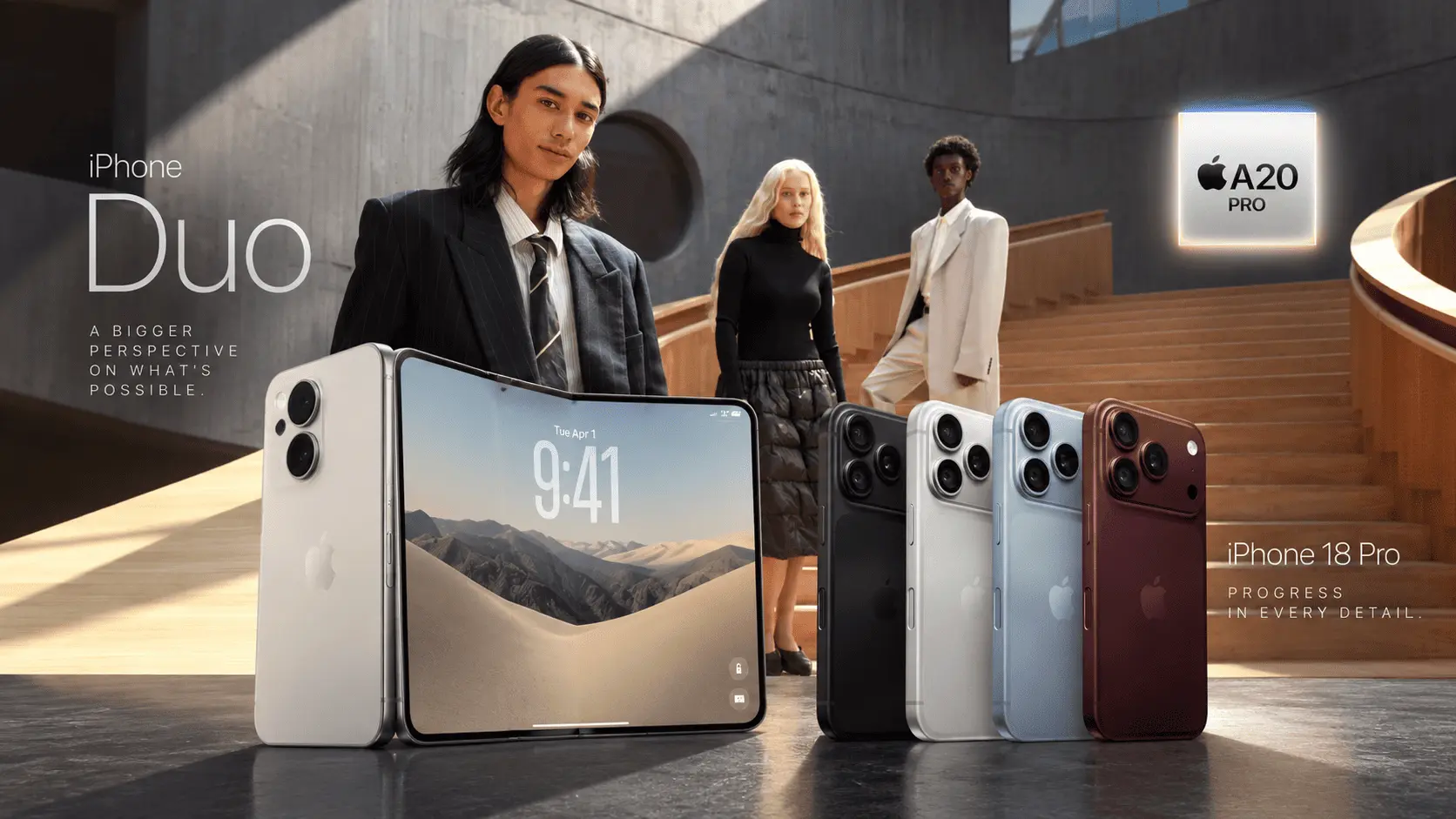
When Will the iPhone 18 Pro Be Available in the UAE? Prices, Pre-Orders and Release Date
Apple has confirmed the UAE launch of the iPhone 18 Pro and iPhone 18 Pro Max. Pre-orders open on September 12, with both models reaching stores on September 18. The foldable iPhone Duo follows on October 23.
iPhone 18 Pro Max: What We Expect From Apple's September 2026 Launch
Apple has not announced the iPhone 18 Pro Max yet, but the company's next flagship is expected in September, with a new 2nm chip, major camera changes, and a possible Dynamic Island redesign.