Dolly Parton: The Woman Behind the Legend, and Why Her Story Still Inspires
Dolly Parton is remembered for the hair, the sparkle and the voice. But beneath the image was a woman who turned a hard beginning into creativity, independence and opportunity for others.
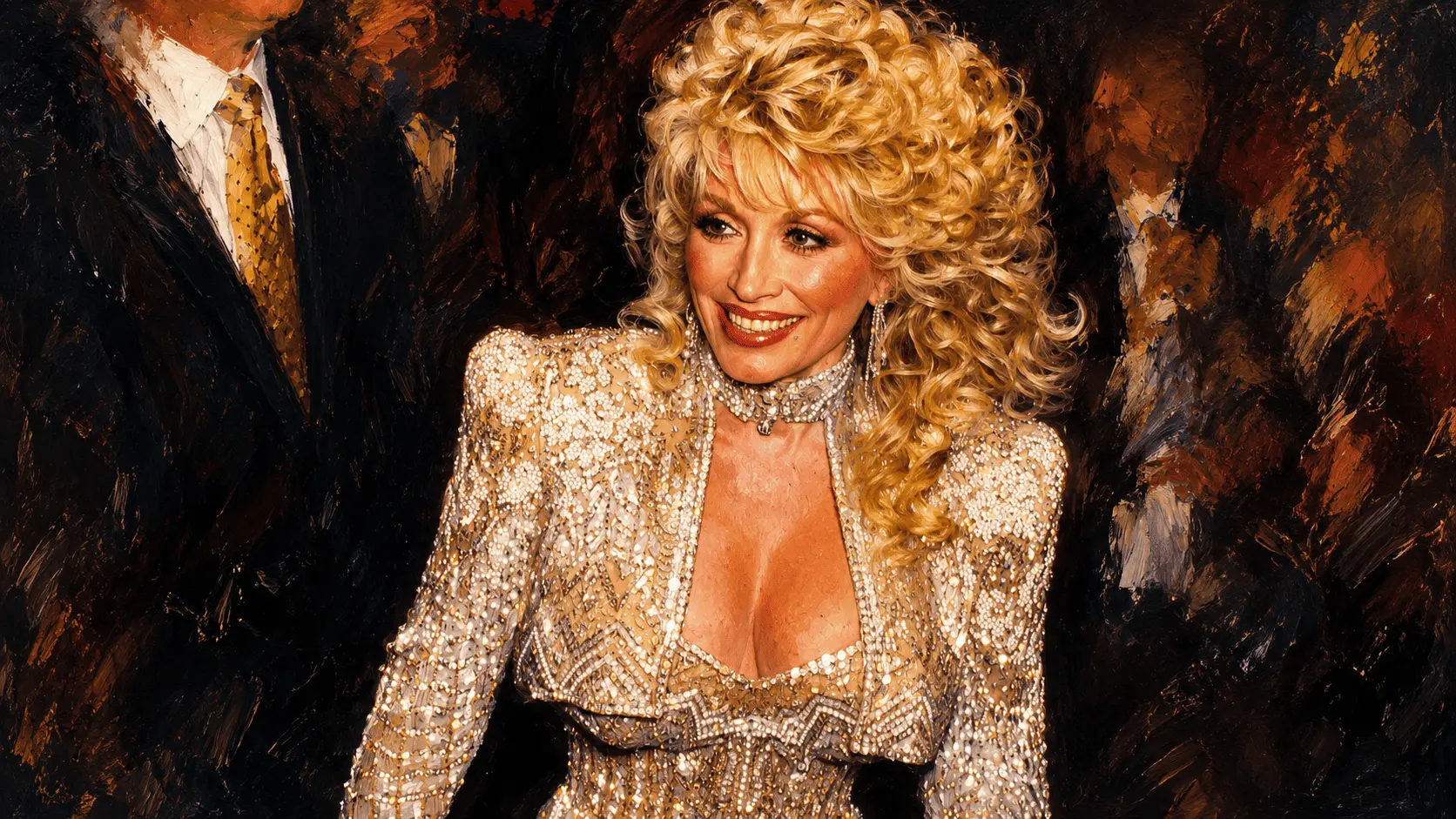
Dolly Parton is often remembered for the big hair, sparkling outfits, unmistakable voice, and songs that became part of popular culture. But beneath the image was something far more powerful, a woman who spent her life turning difficult beginnings into creativity, independence, and opportunities for others.
Born in 1946 as the fourth of 12 children in rural Tennessee, Parton grew up in a family that struggled financially. Her childhood home had no electricity, plumbing, or access roads. Music, however, was deeply embedded in her family life, and she began performing while still a child. By 13, she had already appeared at the Grand Ole Opry. Her story was never simply about becoming famous, it was about refusing to let her circumstances define the size of her ambitions.
She didn't wait for permission
One of the most inspiring parts of Parton's story is how early she learned to pursue opportunities herself. When she was 13, she wanted to perform at the Grand Ole Opry. After initially being refused because of her age, she and her uncle Bill Owens persuaded another performer to give her a slot, and she eventually made her Opry debut. Years later, she moved to Nashville immediately after finishing high school, determined to build a career in music.
That determination became a defining characteristic of her career. Parton was repeatedly told what she should look like, how she should present herself, and what kind of music she should make. Instead of allowing other people to reshape her identity, she leaned into it, and her distinctive appearance, personality, and songwriting became part of what made her recognizable.
She turned rejection into direction
Parton's career was not a straight line upward. When she began moving beyond traditional country music and into pop, parts of the country music establishment criticized her for leaving her roots behind. Her 1977 album Here You Come Again represented a significant crossover and became her first million-selling album. Rather than treating criticism as a reason to stop, she used it as an opportunity to expand.
That is one of the most valuable lessons in her career. You don't always have to choose between staying true to yourself and evolving, sometimes the challenge is learning how to do both.
She understood the power of her own story
Many of Parton's most memorable songs drew from experiences and emotions connected to her upbringing. Coat of Many Colors, for example, was inspired by an experience from her childhood when classmates mocked her homemade coat. Instead of hiding that experience, she turned it into a song that connected with millions of people.
That ability to transform vulnerability into art became one of her greatest strengths. She didn't pretend that difficult experiences never happened, she found a way to make something meaningful from them.
Success was never just about herself
Perhaps the most impressive part of Parton's legacy is what she did with her success. In 1995, she founded Dolly Parton's Imagination Library, inspired in part by her father, who could not read or write. The programme began by providing books to children in her home county and eventually expanded internationally. It has since grown enormously, with Dolly Parton's official website reporting that it now distributes more than 2 million free books every month across five countries.
That is a particularly powerful part of her story because the initiative connects directly to where she came from. She experienced limited opportunities as a child, and she built a life around creating more opportunities for children.
She built more than a music career
Parton's achievements extended well beyond recording music. She became an actor, author, songwriter, businesswoman, and philanthropist, and she also co-founded Dollywood, which became a major attraction in Tennessee and contributed to the economy of her home region. Her career eventually earned recognition from some of the most important institutions in American culture, including the Country Music Hall of Fame, the Songwriters Hall of Fame, and the Rock & Roll Hall of Fame, and she also received the National Medal of Arts and Kennedy Center Honors.
But perhaps the more interesting achievement is not the number of awards, it is the number of different worlds she managed to enter without completely losing where she came from.
Why Dolly Parton is inspiring
Dolly Parton's story is inspiring because it doesn't follow the simple formula of poor childhood leading straight to fame and success. It is a story about persistence, about being underestimated, about being criticized for being different, about taking risks when the obvious path seems safer, and perhaps most importantly, about understanding that success becomes more meaningful when it can be shared.
The Country Music Hall of Fame's exhibition on Parton describes the turning points in her career as moments when she "overcame obstacles and ignored naysayers" while pursuing ambitions others tried to limit. That may be the most important lesson from her life. You don't have to become the person everyone expects you to be. You can be ambitious without forgetting where you came from. You can turn rejection into motivation. And when you eventually have the ability to help others, you can make sure they have opportunities that you didn't.
Dolly Parton's legacy isn't just the music she created. It's the reminder that where you start doesn't have to determine how far you go, and that the best version of success is one that leaves something behind for other people.
Questions
Where did Dolly Parton grow up?
Parton was born in 1946 as the fourth of 12 children in rural Tennessee, growing up in a family that struggled financially, in a home without electricity, plumbing, or access roads.
When did Dolly Parton first perform at the Grand Ole Opry?
She made her Opry debut at 13, after she and her uncle Bill Owens persuaded another performer to give her a slot following an initial refusal because of her age.
What inspired Dolly Parton's song Coat of Many Colors?
The song was inspired by a childhood experience in which classmates mocked a homemade coat her mother had made her, an experience she later turned into one of her most celebrated songs.
What is Dolly Parton's Imagination Library?
Founded in 1995 and inspired partly by her father, who could not read or write, the Imagination Library provides free books to children. It began in her home county and now distributes more than 2 million free books every month across five countries.
What honours did Dolly Parton receive during her career?
She was inducted into the Country Music Hall of Fame, the Songwriters Hall of Fame, and the Rock & Roll Hall of Fame, and received the National Medal of Arts and Kennedy Center Honors.
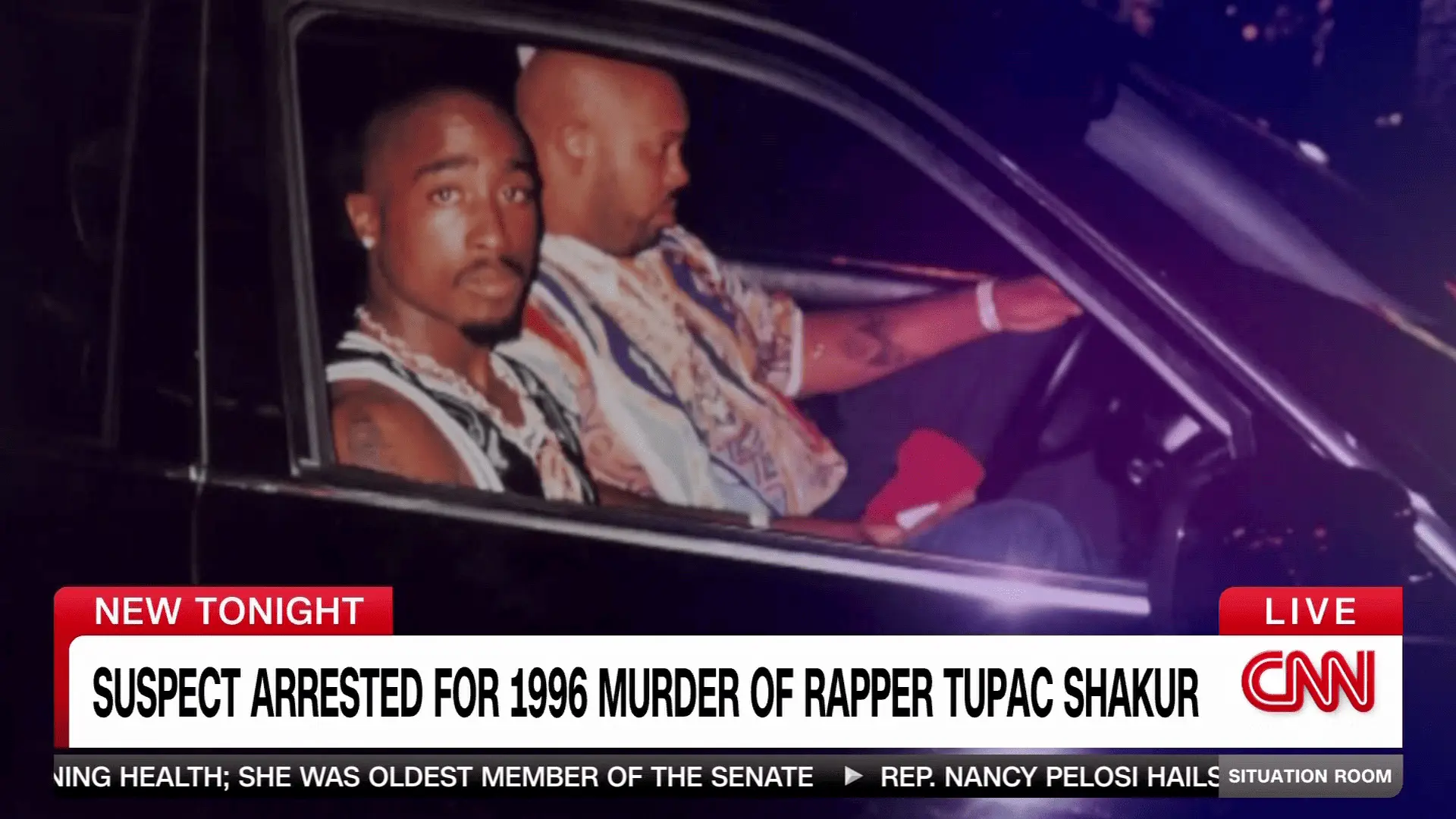
Duane "Keffe D" Davis Found Guilty in Tupac Shakur Murder Case Nearly 30 Years Later
Nearly three decades after Tupac Shakur was fatally shot in Las Vegas, the long-running murder case has finally produced its first criminal conviction.
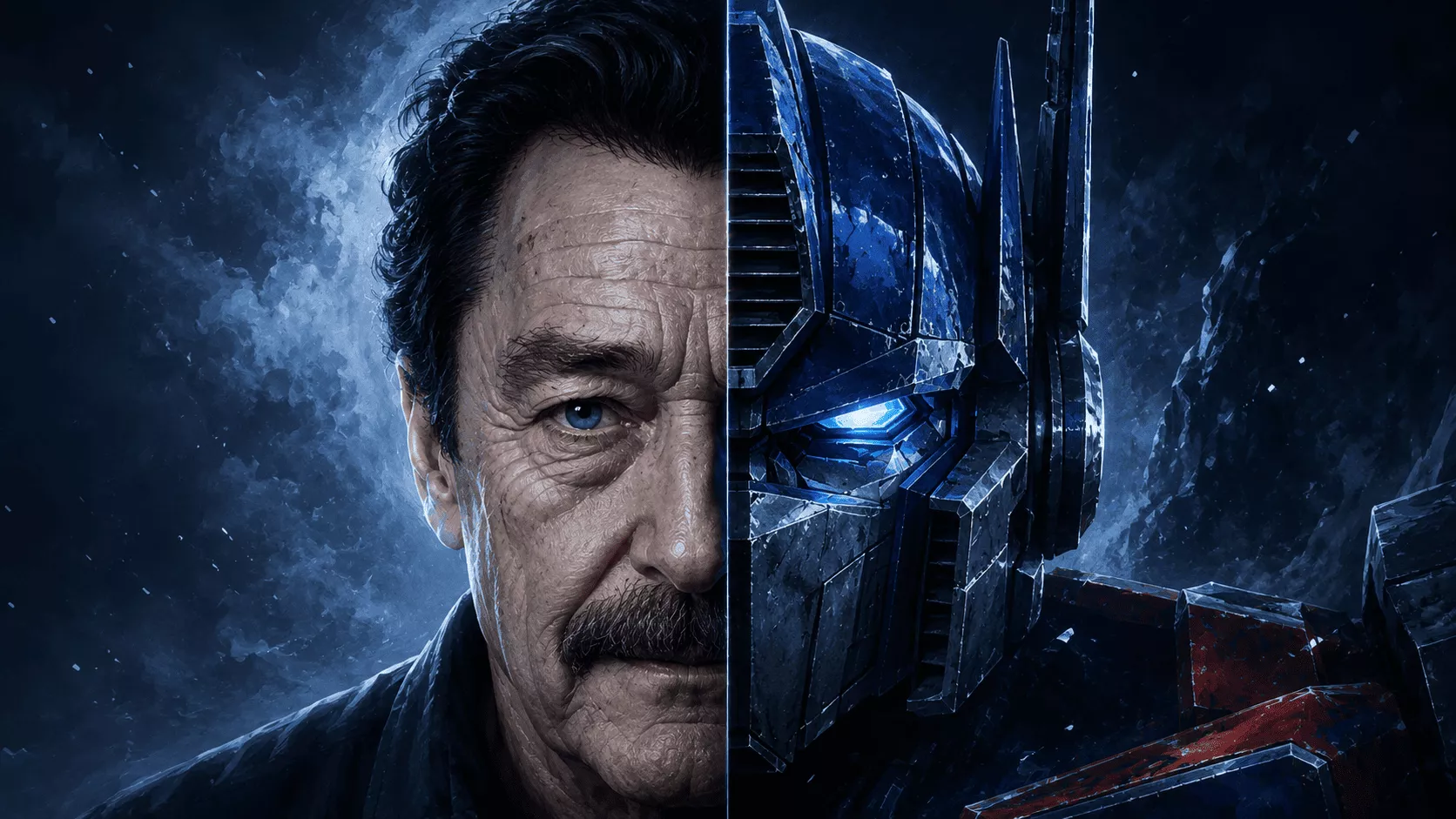
Peter Cullen, the Voice of Optimus Prime and K.A.R.R., Dies at 85
Peter Cullen, the Canadian voice actor whose unmistakable baritone became synonymous with Optimus Prime, has died at the age of 85.
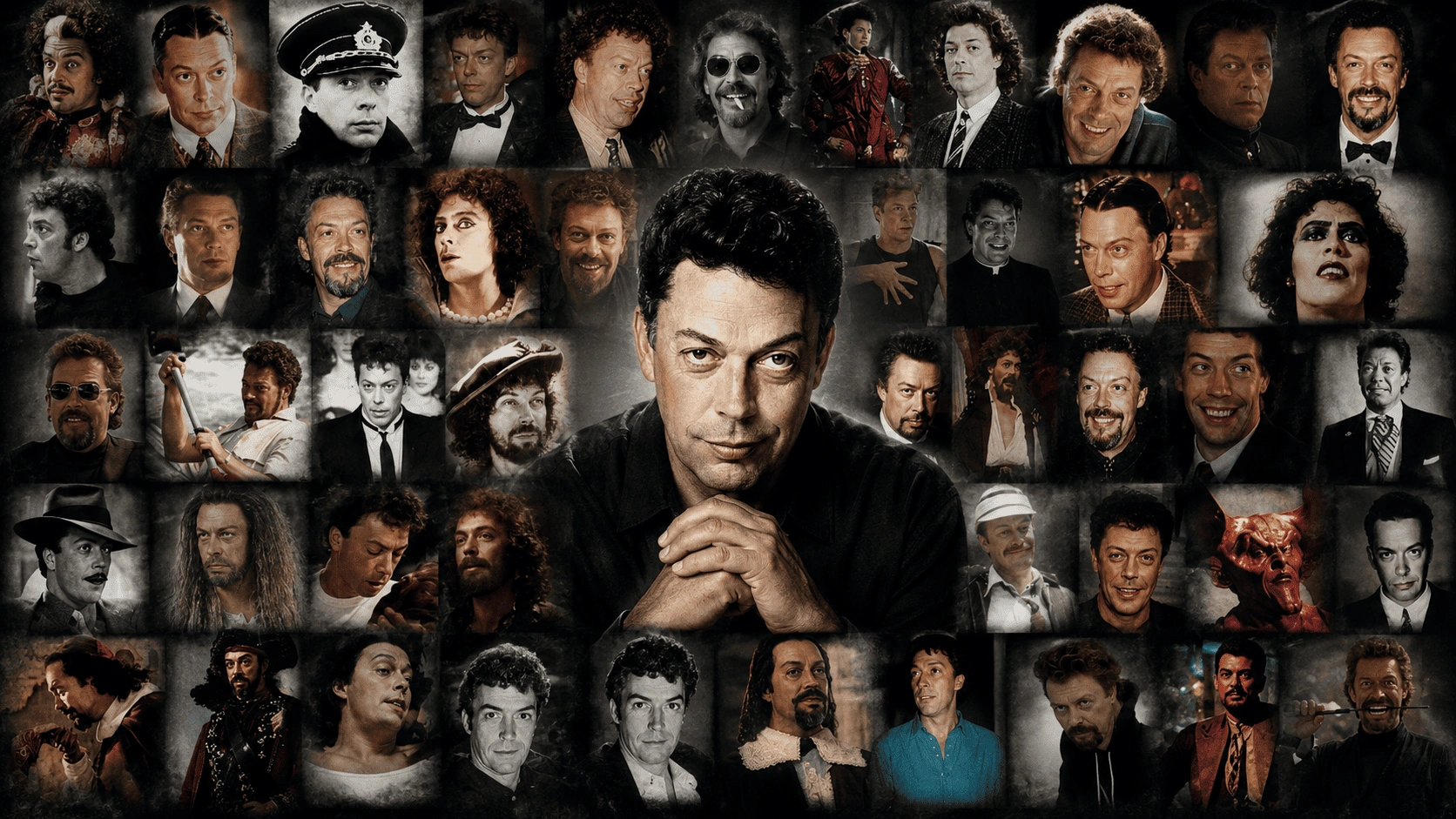
Tim Curry: A Career That Could Never Be Defined by One Role
Tim Curry, the English actor, singer and stage performer whose extraordinary career stretched across musical theatre, film, television and voice acting, has died at 80.